
Innovations in Climate-Resilient Farming Systems
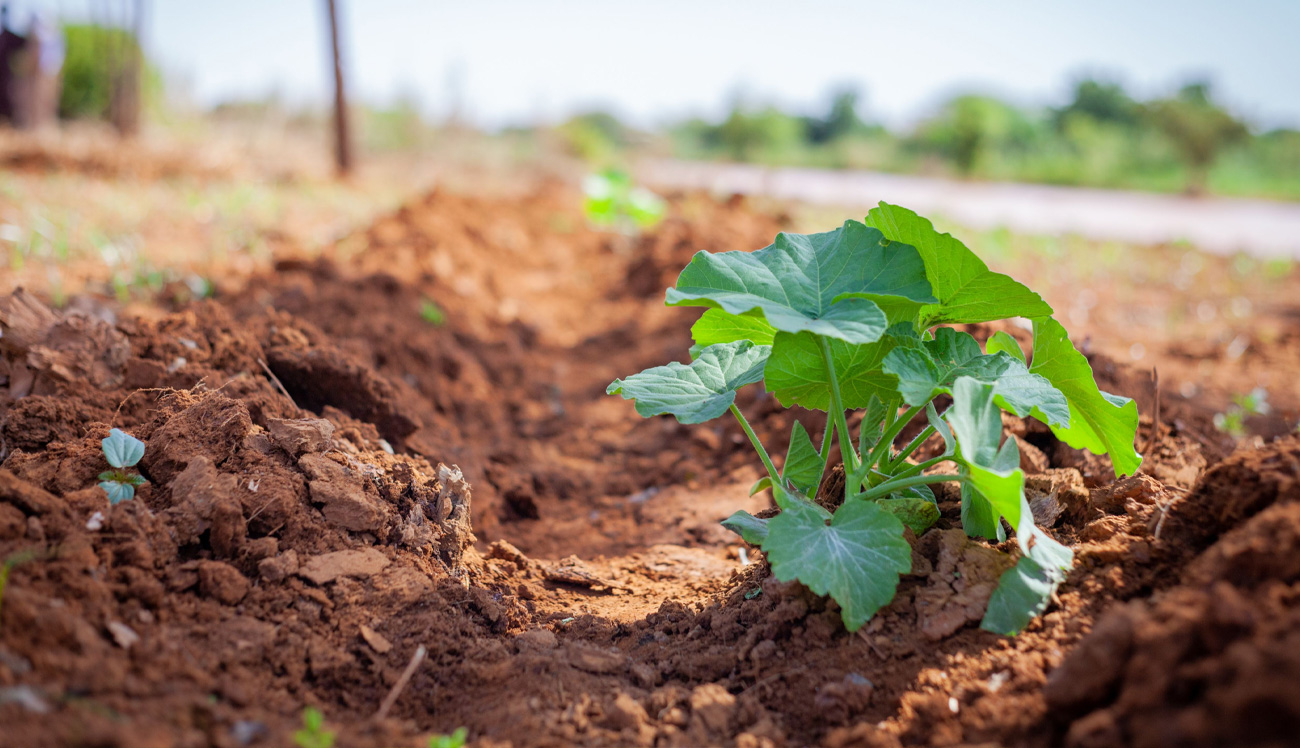
Climate change has become one of the most significant challenges affecting global agriculture today. Rising temperatures, unpredictable rainfall patterns, extreme weather events, and prolonged droughts have increasingly threatened agricultural productivity and food security. As a result, farmers and researchers around the world are working to develop climate-resilient farming systems that can adapt to changing environmental conditions. These innovative approaches aim to improve agricultural productivity while protecting natural resources and ensuring long-term sustainability.
One of the key innovations in climate-resilient farming is the development of climate-smart agricultural practices. These practices include efficient water management, improved soil conservation techniques, crop diversification, and the use of drought-resistant crop varieties. By implementing these strategies, farmers can reduce the risks associated with climate variability and maintain stable agricultural production even under challenging environmental conditions.
Technological advancements also play an important role in supporting climate-resilient agriculture. Modern technologies such as precision farming, remote sensing, and digital agricultural monitoring systems help farmers make more informed decisions about planting, irrigation, and crop management. These technologies allow farmers to optimize the use of resources such as water, fertilizers, and energy while minimizing environmental impacts and improving farm productivity.
Another important approach is the integration of sustainable land management and agroecological practices. Agroforestry systems, organic farming, and integrated crop-livestock systems are examples of farming methods that enhance soil health, increase biodiversity, and improve ecosystem resilience. These systems not only support agricultural productivity but also contribute to carbon sequestration and climate change mitigation.
Community participation and knowledge sharing are also essential components of climate-resilient farming systems. Farmers can benefit from collaborative learning, training programs, and research partnerships that provide access to new agricultural knowledge and technologies. By strengthening cooperation between researchers, agricultural institutions, and farming communities, innovative farming solutions can be more effectively implemented and adapted to local conditions.
In the future, the development of climate-resilient farming systems will play a crucial role in ensuring global food security and sustainable agricultural development. Through continuous research, technological innovation, and strong collaboration among stakeholders, agriculture can adapt to climate change challenges while maintaining productivity and environmental sustainability for future generations.