
Sustainable Agriculture for Global Food Security
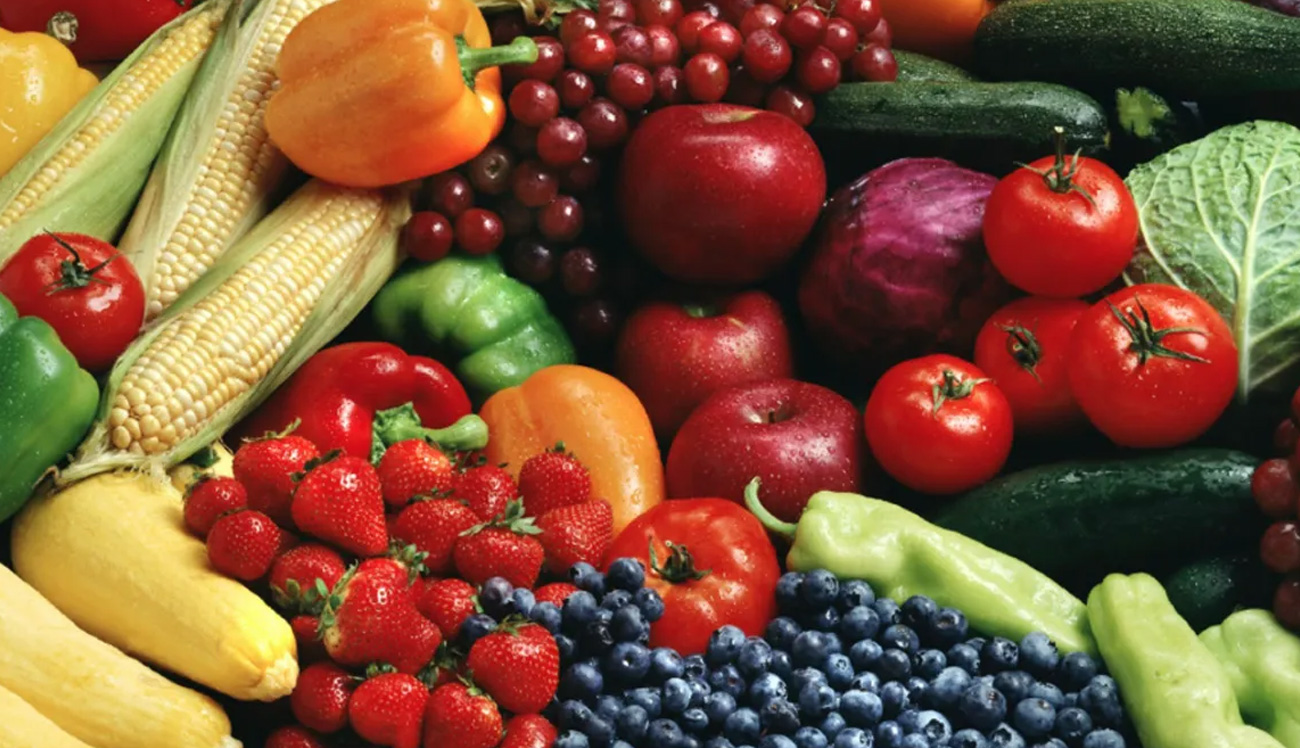
Sustainable agriculture plays a crucial role in ensuring global food security in the face of growing populations, climate change, and limited natural resources. As the global demand for food continues to increase, agricultural systems must evolve to produce sufficient food while maintaining environmental balance. Sustainable agricultural practices aim to increase productivity, protect ecosystems, and promote responsible resource management to support long-term food availability for communities around the world.
One of the key principles of sustainable agriculture is the efficient use of natural resources such as soil, water, and energy. Farmers are encouraged to adopt practices that improve soil fertility, reduce water waste, and minimize the use of harmful chemicals. Techniques such as crop rotation, organic fertilization, and integrated pest management help maintain soil health while ensuring stable crop production. These methods contribute to sustainable farming systems that protect the environment and support food production over time.
Sustainable agriculture also supports the resilience of food systems against environmental challenges. Climate change, drought, floods, and extreme weather events can significantly impact agricultural productivity. By adopting climate-smart farming practices and resilient crop varieties, farmers can better adapt to changing conditions while maintaining stable food production. This resilience is essential for reducing the risk of food shortages and supporting food security at both local and global levels.
In addition to environmental benefits, sustainable agriculture provides economic opportunities for farming communities. Small-scale farmers play a vital role in global food production, particularly in developing countries. By promoting fair market access, agricultural innovation, and knowledge-sharing programs, sustainable agriculture can improve farmers’ livelihoods and strengthen rural economies. Empowering local communities helps create more inclusive and sustainable food systems.
Technological innovation also contributes significantly to sustainable agriculture and food security. Advances in agricultural technology, such as precision farming, improved irrigation systems, and data-driven agricultural management, allow farmers to optimize crop production while minimizing environmental impacts. These innovations enable more efficient use of resources and support sustainable agricultural development.
In conclusion, sustainable agriculture is essential for addressing global food security challenges. By combining responsible resource management, technological innovation, and community engagement, sustainable agricultural systems can ensure stable food production while protecting the environment. Strengthening sustainable agriculture practices worldwide will help secure a reliable food supply and support the well-being of future generations.